Merry Christmas Hand Drew Train: A Designer's Review
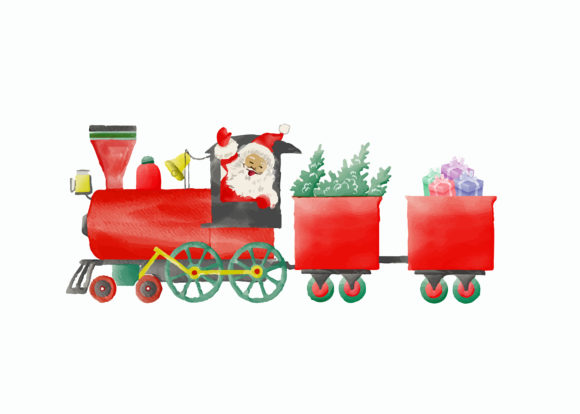
When I first pulled up the Merry Christmas Hand Drew Train file on my screen, I wasn't looking for flashiness. As someone who spends hours hooping fabric and trimming jump stitches, I look for character and stitch integrity. This design falls under the Illustrations category, which usually means we are dealing with something that tries to mimic a sketch or a hand-drawn aesthetic. My immediate impression was one of warmth. The lines feel organic, avoiding the rigid, computer-generated perfection that sometimes makes holiday designs feel cold. For a designer evaluating this for real project use, that "hand-drew" quality is the selling point. It suggests a story, making it perfect for projects where emotion matters more than geometric precision.
Visual Personality and First Impressions
The layout of the Merry Christmas Hand Drew Train strikes a balance between whimsical and structured. It doesn't scream for attention with overly dense fill stitches; instead, it relies on line work and strategic shading to create depth. This is crucial for modern embroidery trends where less is often more. The visual personality feels nostalgic, tapping into that classic holiday vibe without feeling dated. When you visualize this stitched out, you can imagine it sitting comfortably on a cream-colored linen or a soft heather grey sweatshirt. It has a gentle presence. For those of us creating handmade products, this subtlety is gold. It allows the texture of the fabric to breathe through the design, rather than suffocating the material under a block of heavy thread.
Real-World Application: The Holiday Tote Scenario
To truly test the viability of this machine embroidery design, I mentally placed it into a specific real-life scenario: a custom holiday gift set for a local boutique. Imagine a canvas tote bag design intended for carrying groceries or gifts during December. The Merry Christmas Hand Drew Train works exceptionally well here. Because the design likely utilizes a mix of running stitch for outlines and lighter fill stitch areas, it remains flexible. A stiff, heavy design would make a tote bag awkward to fold, but this illustration style moves with the fabric.
If I were producing these for an Etsy seller or a small shop product line, I would position this as a premium, artisanal item. Customers today value the "imperfect" look of hand-drawn art translated into thread. It signals that thought went into the creation, increasing the perceived value of the finished product. Whether it is used for sweatshirt embroidery on a unisex crewneck or as a focal point on a kitchen tea towel, the design adapts well. It creates a cohesive look that says "holiday comfort" rather than "corporate logo."
Navigating Fabric Textures and Hoop Constraints
However, every designer knows that a beautiful screen image doesn't always translate perfectly to cloth. There are areas where the Merry Christmas Hand Drew Train requires careful handling. If you are working with textured fabrics like waffle weave or heavy terrycloth, the finer details of the hand-drawn lines might get lost. In these cases, I recommend using a heavier cut-away stabilizer to ensure the fabric doesn't pucker and obscure the delicate strokes.
Similarly, consider the hoop size. While the design looks compact, if you are scaling it down for a baby embroidery project, such as a onesie or a small bib, you risk losing the definition of the train's wheels or the smoke plumes. Tiny details in illustration-style files can become muddy if the stitch count is too low for the reduced size. Always check the minimum recommended size in the file details before committing to a small hoop. For curved surfaces like caps, the linear nature of a train might distort if not centered perfectly on the front panel; a flat surface is always safer for this type of imagery.
Stitching Clarity and Thread Choices
The success of this digital embroidery file heavily depends on your thread selection. Since it mimics a drawing, high contrast is your friend. Using a dark thread on a light background will maximize the "sketch" effect. However, if you are stitching on dark fabric, you must ensure the design includes a solid underlay or a background fill, otherwise, the running stitches may disappear into the garment.
I also advise testing the stitch density. Illustration files sometimes skimp on density to maintain a light feel, which is great for drape but can be risky for items that will see frequent washing. If this is going onto a custom apparel piece like a work apron or a child's play smock, you might want to increase the density slightly in your editing software to ensure durability. The goal is to maintain the artistic flair while ensuring the embroidered patch or direct stitch holds up over time.
Commercial Viability and Brand Consistency
For craft business owners and creative entrepreneurs, consistency is key. The Merry Christmas Hand Drew Train offers a versatile asset that can anchor a whole collection. You could use it on pillow covers, pair it with matching text for wall hangings, or even simplify it for a printable mockup to sell as a design asset alongside the physical goods. It builds brand recognition because the style is distinct. When a customer sees that specific hand-drawn aesthetic, they should immediately associate it with your shop's quality.
That said, before listing any commercial embroidery items featuring this design, you must verify the licensing terms. Not all illustration files allow for unlimited commercial sales of finished goods. Check whether the license covers physical products, digital resales, or both. Protecting your business from copyright issues is just as important as the stitching itself.
Final Verdict for the Practical Maker
In conclusion, the Merry Christmas Hand Drew Train is a strong contender for your holiday production queue. It brings a human touch to machine embroidery, bridging the gap between digital precision and artistic soul. It is best suited for medium-to-large applications on stable fabrics where its illustrative details can shine. Whether you are making a personalized gift for a neighbor or stocking inventory for a winter craft fair, this design delivers on mood and execution. Just remember to test on scrap fabric first, pay attention to your stabilizer choice, and respect the limitations of small-scale stitching. With the right preparation, this train will carry your brand straight into the hearts of your customers.