Christmas Socks Vector-81: A Designer's Review for Holiday Stitching
As we approach the peak season for holiday orders, every stitch counts. When I first opened the Christmas Socks Vector-81 file on my workstation, I wasn't just looking at a digital image; I was visualizing thread tension, fabric pull, and the final tactile feel of a finished product. In the world of commercial embroidery and handmade goods, a design is only as good as its performance under the needle. This review breaks down how this specific illustration holds up when moved from the screen to the hoop, offering practical insights for fellow designers, Etsy sellers, and craft entrepreneurs planning their winter collections.
First Impressions: Mood and Visual Personality
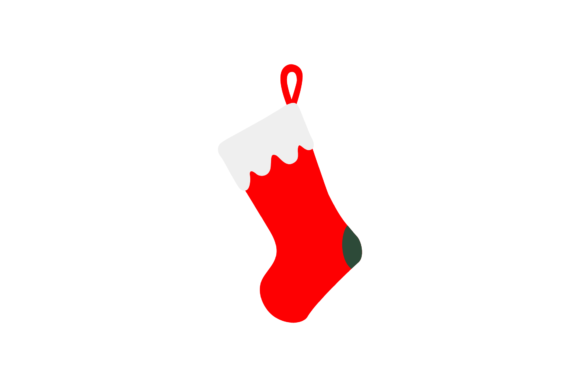
The initial impact of Christmas Socks Vector-81 is one of cozy nostalgia. Unlike some holiday graphics that rely on overly complex shading or chaotic details, this design leans into clean lines and recognizable shapes that translate beautifully into thread. As an illustration within the broader category of seasonal assets, it possesses a visual personality that feels both traditional and fresh. The layout suggests a balanced composition, which is critical when you are working with the limitations of a machine embroidery design.
What stands out immediately is the potential for color play. The structure of the vector allows for distinct separation between elements, meaning you can experiment with classic reds and greens or opt for a modern monochromatic palette without losing definition. For a designer, this flexibility is gold. It means the same file can serve a boutique selling high-end nursery decor and a crafter making quirky gifts for friends, provided the thread colors are chosen with intention.
Real-World Application: From Digital File to Finished Product
To truly evaluate Christmas Socks Vector-81, I imagined a specific real-life scenario: preparing a run of custom embroidered tote bags for a local holiday market. Tote bags are notoriously tricky due to their woven texture and potential for shifting. However, the structural integrity of this design suggests it would handle medium-weight canvas exceptionally well. The shapes are substantial enough to prevent the stitching from getting lost in the fabric weave, a common pitfall with finer holiday embroidery.
Beyond tote bags, this design shines on sweatshirt embroidery projects. The soft, slightly rounded aesthetic of the socks complements the casual drape of fleece and cotton blends. If you are an apparel decorator looking to add value to plain hoodies, this graphic offers a focal point that doesn't overwhelm the garment. It also works wonderfully as a central motif for baby embroidery, such as on a onesie or a burp cloth, where soft, non-aggressive lines are preferred for comfort and safety.
For those running a small shop product line, consider using this as an embroidered patch. By digitizing or utilizing the existing vector paths to create a merrowed edge patch, you create a versatile accessory that customers can iron onto jackets or hats later. This expands your revenue stream beyond direct-to-garment services. Additionally, the clean lines make it an excellent candidate for printable mockups. Before you even stitch a single thread, you can place this design on digital product previews to gauge customer interest on your Etsy listings or website.
Technical Considerations and Fabric Compatibility
While Christmas Socks Vector-81 shows great promise, practical experience dictates that we must discuss where caution is needed. No design is universal, and understanding the limitations is part of professional due diligence.
- Fabric Texture: On highly textured fabrics like thick wool blankets or looped towels, fine details can sometimes get swallowed. If you plan to use this on a kitchen towel, ensure your stitch density is optimized to cover the loops without causing puckering.
- Stretchy Materials: When applying this to stretchy knits or thin jersey for baby clothes, the use of a high-quality cut-away stabilizer is non-negotiable. The weight of the fill stitches, if present in the digitized version, could distort lightweight fabric over time without proper support.
- Dark Fabrics: If stitching on black or navy garments, you may need to adjust the underlay settings or add a backing layer to prevent the fabric color from peeking through lighter thread areas. This is crucial for maintaining the crisp look of the illustration.
- Small Hoop Sizes: While the design appears scalable, always check the minimum recommended hoop size before committing. Compressing detailed illustrations into a 4x4 hoop can lead to merged details and lost clarity, especially in the smaller decorative elements of the socks.
Stitching Clarity and Thread Management
The success of any digital embroidery file often comes down to thread management. With Christmas Socks Vector-81, the transition between color blocks seems logical, which minimizes unnecessary trims and jumps. However, as a reviewer, I always advise running a test on scrap fabric first. Check how the satin stitch borders interact with any fill stitch areas. Are the transitions smooth? Do the threads bunch up at sharp corners? These are the details that separate a amateur-looking handmade product from a professional finished product.
For commercial embroidery runs, consistency is key. If you are producing fifty units for a corporate gift, verify that the design registers correctly on every item. Variations in fabric tension can cause slight shifts, so marking your center points precisely is essential. Also, consider how the design looks in black and white mockups; if it loses its form without color, you might need to adjust the contrast in your thread selection to ensure the image remains readable from a distance.
Enhancing Brand Value and Customer Trust
Ultimately, the choice of design assets reflects on your brand. Using a well-structured graphic like Christmas Socks Vector-81 signals to your customers that you care about quality. A clean, well-executed embroidery project builds trust. When a customer receives a personalized gift or a boutique item where the stitching is crisp and the design is charming, they are more likely to return and recommend your small business.
This design supports brand consistency because it is versatile enough to fit various product lines without feeling out of place. Whether it is adorning a luxury pillow cover or a simple apron, the inherent quality of the vector art elevates the perceived value of the item. For Etsy sellers and creative entrepreneurs, this means you can command a fair price for your labor and materials, knowing the end result justifies the cost.
Final Verdict and Professional Notes
In conclusion, Christmas Socks Vector-81 is a robust contender for your holiday catalog. It balances festive charm with the technical requirements of machine embroidery. However, before launching your production run, adhere to these final professional notes:
- Verify Licensing: Always confirm the license terms associated with the file. Ensure you have the rights for commercial use if you intend to sell finished items or digital products derived from this design.
- Check File Formats: Ensure you have the correct embroidery file format for your specific machine brand to avoid conversion errors that could alter stitch paths.
- Test Density: If the design feels too heavy on certain fabrics, consider editing the stitch density in your digitizing software to improve drape and comfort.
- Contrast Check: Test the design on both light and dark backgrounds to finalize your thread chart before purchasing bulk supplies.
By approaching Christmas Socks Vector-81 with a critical eye and a plan for execution, you can transform a simple illustration into a standout piece of holiday decor or apparel. It is a tool that, when used wisely, can help you deliver joy and quality to your customers this season.