A Wreath Christmas Illustration: A Designer's Review
As we approach the peak of the holiday season, the pressure to deliver unique, high-quality handmade products intensifies. For those of us running small embroidery shops or managing Etsy stores, choosing the right design assets is not just about aesthetics; it is about reliability, stitch-out quality, and how the final product resonates with a customer holding a physical item. Recently, I spent time evaluating A Wreath Christmas Illustration to determine if it holds up under the scrutiny of real-world production. This isn't a glance at a thumbnail on a screen; this is a deep dive into how this specific machine embroidery design performs when translated from a digital embroidery file to thread and fabric.
First Impressions and Visual Personality
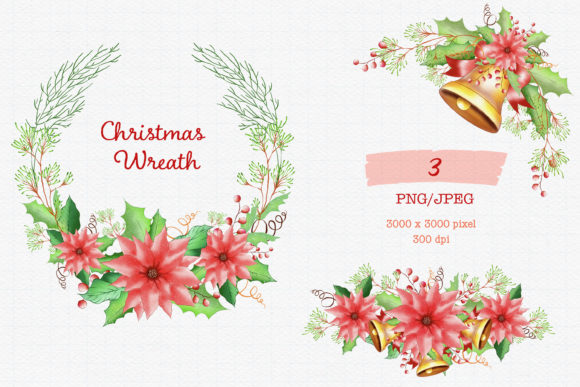
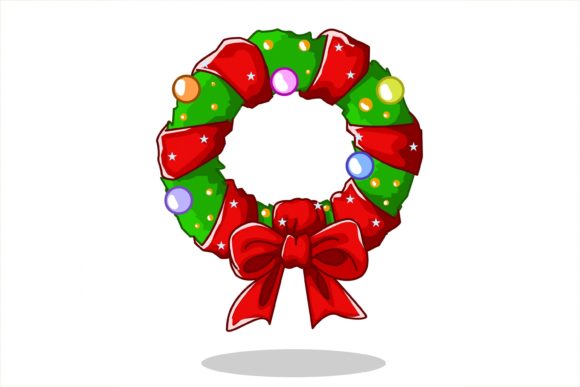
When I first loaded A Wreath Christmas Illustration into my editing software, the immediate takeaway was its balanced composition. Unlike many holiday designs that rely on overly dense fills which can cause puckering, this piece feels airy yet substantial. The mood it creates is traditional but fresh, avoiding the cluttered look that often plagues seasonal Illustrations. The layout suggests a classic circular form, likely utilizing a mix of satin stitch for defined edges like berries or bows, and fill stitch for the foliage to create texture without excessive bulk.
The visual personality of this design leans towards the elegant side of festive. It doesn't scream for attention with neon colors or chaotic elements; instead, it offers a refined look that suits boutique branding. For a designer, this is crucial. We need files that elevate the perceived value of the finished product. If you are aiming for a high-end feel on a tote bag design or a premium sweatshirt embroidery project, the subtlety here is a significant asset. It reads well from a distance but also invites closer inspection, which is exactly what you want when a customer is browsing a craft fair table or scrolling through an online shop.
Real-World Application: The Holiday Tote Scenario
To truly test the viability of A Wreath Christmas Illustration, I envisioned a specific real-life scenario: producing a run of custom canvas tote bags for a local boutique's holiday gift-with-purchase promotion. This is a common request for Etsy sellers and craft business owners. The goal was to create a handmade product that feels exclusive yet durable enough for repeated use.
In this context, the design shines. The wreath shape fits perfectly within standard hoop limitations while leaving enough negative space to prevent the canvas from distorting. When stitched out, the interplay of thread colors against the natural beige of the canvas created a warm, inviting aesthetic. It transformed a simple utility item into a personalized gift that customers actually wanted to keep. The clarity of the stitches ensured that even with the textured surface of the canvas, the details of the wreath remained sharp. This level of clarity builds customer trust; when a buyer sees clean lines and no bird-nesting, they associate that quality with your entire brand.
Beyond totes, this design is versatile enough for custom apparel. Imagine it centered on a heather grey sweatshirt or as a pocket accent on a flannel shirt. The scale appears adaptable, making it suitable for baby embroidery on onesies, provided the density is managed correctly for delicate fabrics. It also works beautifully as an embroidered patch, where the defined edges of the wreath would allow for a clean merrowed or satin border finish.
Technical Considerations and Fabric Challenges
However, no design is without its constraints, and a professional review must address where caution is needed. While A Wreath Christmas Illustration is robust, its performance depends heavily on the substrate. On stretchy fabrics like jersey knits, the stitch density becomes a critical factor. If the fill areas are too heavy, the fabric may pucker around the wreath, ruining the silhouette. In such cases, using a high-quality cutaway stabilizer is non-negotiable. I would strongly advise testing the design on scrap fabric of the exact same weight and stretch before committing to a client order.
Curved surfaces present another challenge. If you plan to use this for holiday embroidery on caps or hats, the rigid structure of the front panel is necessary. Attempting to stitch this intricate wreath on a soft, unstructured cap could lead to registration issues, especially if the design includes fine running stitch details for veins in leaves or outlines. Similarly, dark fabrics require careful selection of thread colors. A standard green-on-green might get lost on a forest green hoodie. In these instances, introducing a metallic gold or a bright red accent thread can provide the necessary contrast to make the design pop.
Small hoop sizes are another area to watch. If the original file is large, resizing it down for a small pocket or a child's cuff might compromise the integrity of the tiny details. Elements like small berries or intricate bow loops could merge together if the stitch count is reduced too aggressively. Always check the minimum recommended size provided with the embroidery file. If that information is missing, run a test stitch-out at your intended size to ensure the applique design elements or fine details remain distinct.
Enhancing Brand Value and Commercial Viability
From a business perspective, the choice of design directly impacts your bottom line. A Wreath Christmas Illustration has the potential to increase the perceived value of your small shop product listings. A well-executed wreath on a kitchen towel or pillow cover signals professionalism. It tells the buyer that you care about the details. This attention to detail fosters brand consistency, especially if you use this motif across various items in your holiday collection, from aprons to blankets.
For those creating printable mockups for digital previews, the symmetrical nature of the wreath makes it easy to visualize on different products. This helps in marketing your commercial embroidery services before the item is even stitched. However, before selling any finished items or digital derivatives, you must confirm the licensing terms. Some designers allow unlimited commercial use, while others restrict the number of physical items you can sell. Never assume; always verify the license to protect your business.
Practical Notes for the Working Designer
To ensure the best results with A Wreath Christmas Illustration, keep these practical steps in mind:
- Test First: Always stitch a sample on scrap fabric that matches your final material to check for puckering or pull.
- Check Contrast: Review how the thread colors look against both light and dark backgrounds; adjust the color palette if necessary for visibility.
- Stabilizer Strategy: Match your stabilizer to the fabric weight. Heavier fabrics might need less support, while knits demand robust stabilization.
- Inspect Details: Zoom in on the digital file to identify tiny lettering or dense corners that might need manual editing or underlay adjustments.
- Verify Specs: Since exact stitch counts and hoop requirements vary by vendor, confirm these technical details before purchasing or stitching.
- Licensing: Double-check usage rights to ensure you are compliant for both personal projects and commercial sales.
In conclusion, A Wreath Christmas Illustration stands out as a versatile and professionally viable option for the upcoming season. It balances artistic charm with technical practicality, making it a strong candidate for everything from personalized gifts to boutique merchandise. By approaching it with a keen eye for fabric compatibility and stitch optimization, you can leverage this design to create stunning, high-value items that delight customers and enhance your reputation as a skilled maker.