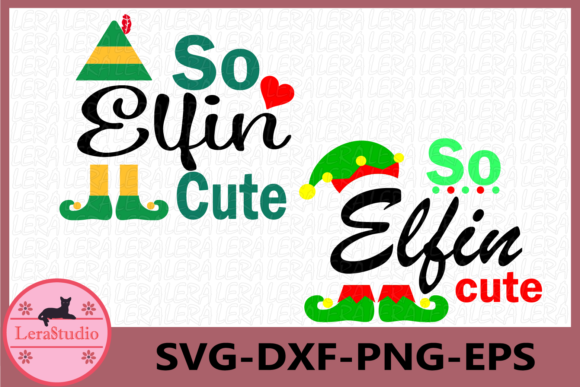
So Elfin Cute: Festive Illustrations for Blogs
As a digital publisher who has spent years refining the visual identity of multiple content websites, I approach every new graphic design asset with a critical eye. It is not enough for an image to be pretty; it must perform. When I first opened the files for So Elfin Cute, Christmas Elf, my immediate reaction was one of genuine delight mixed with strategic calculation. This collection of Illustrations hits a very specific note that is often missing in the saturated holiday market: it feels authentic, whimsical, and incredibly warm without crossing the line into childishness.
The editorial mood created by these assets is distinctly lifestyle-focused yet playful. For bloggers and content creators, establishing the right tone within the first three seconds of a page load is crucial. These elves do not scream "generic stock photo"; instead, they whisper "cozy holiday tradition." This subtle distinction is vital for building reader trust. When your audience sees high-quality, cohesive art, they subconsciously attribute that level of care to your written content. Whether you are running a food blog, a parenting site, or an affiliate marketing hub, the perceived value of your brand increases when your visuals are this polished.
Integrating Whimsy into Real Publishing Workflows
In my own workflow, I am constantly looking for versatile elements that can bridge the gap between social media teasers and on-site engagement. So Elfin Cute, Christmas Elf excels here because the style is adaptable. I can easily envision using these characters as the focal point for Pinterest pin designs. The clean lines and expressive features of the elves provide excellent negative space for overlaying bold headlines, which is essential for driving click-through rates from social platforms.
Beyond social media, these assets are perfect for blog graphics that break up long-form text. In an era where readers scan rather than read, having charming editorial accents keeps the eye moving down the page. I would specifically use these illustrations in category thumbnails to create a unified look across a "Holiday Recipes" or "Gift Guide" section of a website. This consistency strengthens brand identity and helps returning visitors navigate your content more intuitively.
For those creating digital products, the potential is even higher. These illustrations would make stunning covers for digital guides, worksheets, or printable holiday planners. If you are an online educator or a coach launching a seasonal lead magnet, incorporating these elves into your Canva template designs adds a layer of professional charm that free clip-art simply cannot match. They transform a standard PDF into a branded experience.
Boosting Performance Through Visual Hierarchy
The primary goal of any web design element is to support the content, not distract from it. These illustrations support content performance by establishing a clear visual hierarchy. Because the style is distinct, it naturally draws attention to key areas of a layout, such as a call-to-action button or a special affiliate disclosure. By placing an elf character next to a recommended product in a gift guide, you create a visual anchor that encourages clicks.
Furthermore, consistent use of these assets improves category recognition. If a reader sees a specific style of elf illustration, they immediately know they are in the holiday section of your site. This cognitive shortcut reduces bounce rates and increases time-on-page. For affiliate marketing, this is gold; the more comfortable and engaged a reader feels, the more likely they are to convert on your recommendations.
Strategic Placement and Usage Constraints
While So Elfin Cute, Christmas Elf is versatile, it is not a one-size-fits-all solution for every single pixel on a website. These assets work best as hero images, article headers, and dedicated social media graphics. They shine when given room to breathe. However, caution is required when using them in small mobile thumbnails. The intricate details that make the elves so cute might get lost on a tiny screen, so it is essential to test how they render on various devices.
You should also avoid using these illustrations on text-heavy backgrounds or low-contrast layouts. The playful nature of the art might clash with serious professional niches, such as corporate finance or legal advice, unless used very sparingly as a humanizing touch. For websites that rely on a stark, minimal visual system, these colorful characters might feel too decorative. The key is balance; use them to accentuate, not overwhelm.
Practical Notes for the Modern Publisher
Before integrating any design assets into a live environment, I always run a series of technical checks. First, test the images on both desktop and mobile screens to ensure the resolution holds up. Preview the illustrations inside your actual blog layout to see how they interact with your existing typography. Try pairing the elves with different font styles—a classic serif for elegance, a modern sans serif for cleanliness, or a handwritten script for extra warmth.
File size is another critical factor for web design. Large, uncompressed images can slow down page load times, negatively impacting SEO. Always compress your images properly before uploading. Finally, and perhaps most importantly, confirm the commercial license terms. If you are using these on monetized websites, affiliate pages, or in paid content products like eBooks, you must ensure you have the right to do so. A proper commercial design license protects your business and gives you peace of mind.
Ultimately, So Elfin Cute, Christmas Elf represents the kind of creative design that elevates a standard blog into a memorable brand experience. It offers the perfect blend of seasonal spirit and professional utility, making it an invaluable tool for anyone looking to polish their holiday content strategy.