Review: Christmas Tree with Animal Skin Clipart for Embroidery
As a designer who spends more time staring at stitch simulations than most people spend on their actual holidays, I approach every new machine embroidery design with a healthy dose of skepticism. We have all seen those digital previews that look crisp and vibrant on a screen but turn into a tangled mess of thread breaks and puckering once they hit the fabric. That is why I took a close look at the Christmas Tree with Animal Skin Clipart before committing it to any client projects or personal holiday gifts. This isn't just about whether the image is cute; it is about whether it translates effectively into thread, holds up under the needle, and delivers value to the end user.
First Impressions and Visual Personality
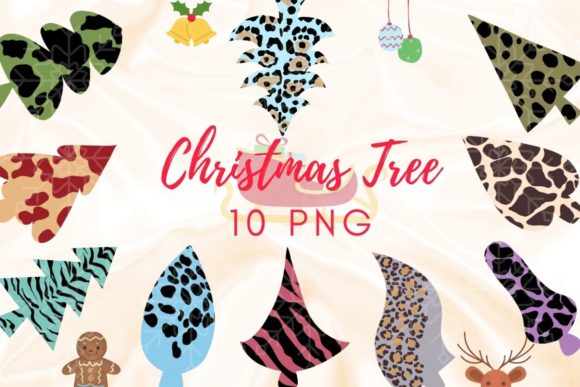
When I first pulled up the Illustrations file for this design, the immediate takeaway was its unique textural approach. Unlike standard holiday trees that rely solely on green fill stitches or simple applique layers, this concept integrates an animal skin pattern into the silhouette of the tree. It creates a rustic, cabin-in-the-woods vibe that feels distinct from the usual red-and-green overload we see in December. The shape is traditional enough to be instantly recognizable as a holiday symbol, yet the internal detailing gives it a modern, boutique edge.
For an embroidery project, this visual personality is crucial. It suggests warmth and nature, making it an excellent candidate for products targeting customers who prefer neutral tones or earthy aesthetics over bright primary colors. However, from a technical standpoint, my first thought was about how that "skin" texture would render in thread. Digital vectors can handle infinite detail, but an embroidery file has physical limitations. The success of this design hinges entirely on how the digitizer handled the transition between the organic patterns of the skin and the structural integrity of the tree shape.
Real-World Application: The Holiday Tote Scenario
To truly evaluate the Christmas Tree with Animal Skin Clipart, I imagined a specific real-life scenario: producing a run of custom tote bags for a local boutique's holiday market stall. These bags are made of a medium-weight canvas, a popular choice for small shop products. In this context, the design needs to be large enough to make a statement but detailed enough to look professional upon close inspection.
If I were stitching this onto a tote, the animal skin texture would likely require a mix of fill stitch variations to create depth without becoming too dense. A solid block of satin stitch might look too shiny and artificial for this specific theme, whereas a textured fill could mimic the organic feel of fur or hide beautifully. The key here is stitch density. If the density is too high, the canvas will pucker, and the bag handles might distort. If it is too low, the "skin" pattern will disappear, leaving a muddy green blob that defeats the purpose of the unique clipart style.
For a handmade product like this, the finished look must justify the price point. Customers at craft fairs are discerning; they want to see clean edges and intentional texture. If the Christmas Tree with Animal Skin Clipart executes the texture well, it elevates a simple tote bag into a premium personalized gift. It tells a story of craftsmanship rather than just mass production.
Versatility Across Different Fabrics and Items
Beyond tote bags, this design shows promise for various custom apparel items. Imagine it embroidered on a heather grey sweatshirt. The neutral background of the garment would allow the animal print texture within the tree to pop without clashing. This makes it a strong contender for sweatshirt embroidery where comfort and style intersect. It could also work wonderfully as an embroidered patch, where the backing stabilizer provides a solid foundation for the intricate details of the pattern.
However, caution is required when moving to different materials. On a stretchy knit, such as a baby onesie for baby embroidery, the complexity of the animal skin pattern could cause registration issues if the fabric shifts during stitching. Similarly, placing this on a curved surface like a cap requires careful hooping and potentially a different underlay strategy to prevent the design from warping. For holiday embroidery on kitchen towels or linen napkins, the open weave of the fabric might struggle to support dense textural fills, so a simplified version or a lighter stitch count might be necessary.
Technical Considerations for the Stitcher
Before running this design on a final product, there are several practical steps any experienced decorator should take. First and foremost, test the design on scrap fabric that matches your final material. You need to see how the thread colors interact. Since the design relies on a pattern within a shape, color contrast is vital. If the shades are too similar, the animal skin effect will be lost. If they are too contrasting, it might look chaotic rather than cohesive.
You must also verify the hoop size requirements. Detailed textures often need larger hoops to maintain stitch quality without excessive jumping or trimming. Check the small corners of the tree branches; these are common failure points where threads can break or pull out if the tie-offs aren't secure. Additionally, consider your stabilizer choice. A cut-away stabilizer is often safer for textured designs that will undergo frequent washing, ensuring the finished product retains its shape over time.
It is also wise to view the design in black and white mockups. This strips away the distraction of color and lets you judge the clarity of the lines and the balance of the negative space. If the design looks muddy in grayscale, it will likely struggle in thread regardless of how pretty the digital preview looks.
Commercial Viability and Brand Consistency
For Etsy sellers and creative entrepreneurs, the Christmas Tree with Animal Skin Clipart offers a niche appeal. It fits perfectly into the "modern rustic" or "cabin chic" trends that remain popular year after year. Using this design can help differentiate your craft business from competitors using generic store-bought motifs. It adds a layer of sophistication to your brand consistency, signaling that you curate unique design assets rather than relying on default library files.
However, always confirm the licensing terms before selling. Just because a file is available as an Illustration or digital download does not automatically grant commercial rights for physical goods or digital resale. Ensure you have the right to use it for commercial embroidery projects. Furthermore, if you plan to sell this as a digital embroidery file yourself, you must ensure you have the appropriate extended license to modify and redistribute the stitch data.
Final Verdict
The Christmas Tree with Animal Skin Clipart is a compelling option for designers looking to add texture and character to their holiday collections. Its strength lies in its ability to bridge the gap between traditional holiday symbols and contemporary design trends. While it demands careful attention to stitch density, fabric choice, and stabilizer selection, the potential for creating high-value, eye-catching products is significant. Whether you are making a single personalized gift for a family member or stocking inventory for a winter market, this design rewards the meticulous stitcher with a professional, standout result.