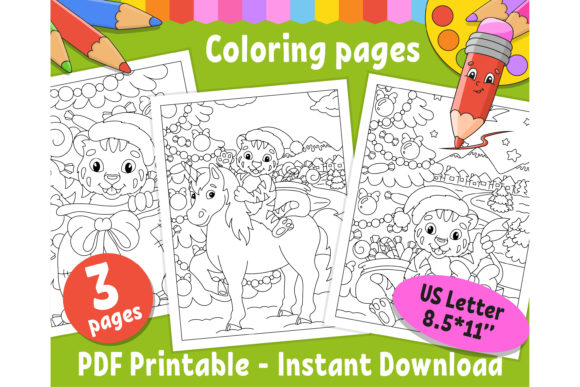
Christmas Tiger, Unicorn Illustrations Review
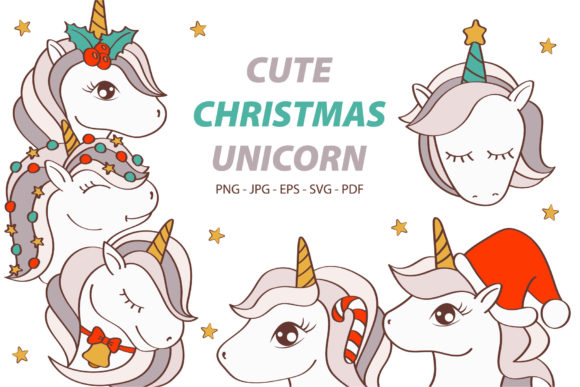
As a brand designer who has spent the last decade helping local businesses stand out on crowded shelves and digital feeds, I approach every new graphic design asset with a critical eye. It is not just about whether an image looks cute; it is about whether it can carry the weight of a brand identity. Recently, I evaluated the Christmas Tiger, Unicorn. Coloring Page for a potential seasonal campaign, and my initial impression was one of whimsical charm mixed with surprising versatility. This piece does not scream "corporate luxury," but it exudes a warm, handmade energy that is perfect for specific types of small business branding.
The mood created by this illustration is undeniably festive yet gentle. The combination of a tiger and a unicorn in a Christmas setting suggests a brand personality that is playful, imaginative, and family-friendly. It feels organic and soft, making it an ideal fit for boutique owners, handmade soap makers, or children's product brands looking to inject some holiday magic into their packaging design. For a local bakery or a specialty coffee shop, this asset could serve as the hero graphic for a limited-edition holiday box, instantly communicating a sense of fun and celebration.
Transforming Local Products with Seasonal Flair
In the context of real-world application, the Christmas Tiger, Unicorn. Coloring Page shines when used to create emotional connections. Imagine a local candle brand launching a winter collection. Placing this design on a product label or a hang tag transforms a simple jar into a gift-worthy item. The line-art style inherent in coloring pages offers a unique advantage: it invites interaction. You could print these on thank-you cards included in orders, encouraging customers to color them in, which fosters a deeper engagement with the local business.
Beyond physical goods, this asset is a powerhouse for social media graphics. For a florist or a home decor shop, using this illustration in Instagram stories or Facebook ads can break up the visual monotony of standard product photos. It works exceptionally well as a decorative element in marketing visuals, such as flyers for a holiday market or posters for a community event. When integrated into a Canva template or used as a standalone PNG design, it adds a layer of polish that elevates the perceived value of the brand without requiring a custom commission.
Strategic Placement for Maximum Impact
To truly leverage this design asset, one must understand where it works best. It is most effective as a packaging accent or a hero graphic on seasonal packaging. For instance, a boutique selling handmade cookies could use the tiger and unicorn motif on the lid of their tins, creating immediate shelf appeal. It also functions beautifully on printable inserts or as a watermark on product mockups to showcase how a design might look in situ. The key is to let the illustration breathe; it should be the star of the show in these specific contexts.
However, caution is required. This type of whimsical clipart or illustration may not suit formal corporate branding or luxury minimalist brands where negative space and typography take precedence. It should be used carefully on very small labels where the intricate lines of a coloring page might blur or lose definition. Furthermore, avoid placing it in ingredient-heavy layouts or legal information areas where clarity is paramount. If the decoration competes with important text, it undermines the visual hierarchy and confuses the customer.
Designer Notes for Professional Execution
Before committing to this asset for a client project or a physical product launch, there are several practical steps a professional should take. First, always test the image on real product mockups. See how the lines hold up against different textures, such as kraft paper, glossy cardstock, or matte plastic. Check the black and white usage specifically, as coloring pages rely heavily on line weight. If the lines are too thin, they may disappear in low-quality printing.
It is also crucial to preview the asset on small labels to ensure legibility. Test it with your existing brand colors; while the original might be black and white, overlaying it with a festive red or green background can change its impact entirely. Compare it with competitor packaging to ensure your brand stands out rather than blends in. When pairing this illustration with typography, experiment with serif fonts for a classic feel, sans serif fonts for modernity, or script and handwritten fonts to enhance the handmade aesthetic. A display font could also work well for the main headline if the goal is boldness.
Finally, and perhaps most importantly, confirm the commercial license before using it for client work or business branding. Many assets found on creative marketplaces have restrictions on the number of physical items sold or require an extended license for commercial design. Ensuring you have the right permissions protects your local business from legal issues down the line. Whether you are utilizing an SVG design for scalability or a high-resolution raster file, understanding the terms of use is part of professional branding.
In conclusion, the Christmas Tiger, Unicorn. Coloring Page is more than just a pretty picture; it is a strategic tool for small business branding when used correctly. It offers a pathway to stronger first impressions, better product recognition, and a more consistent brand identity. By improving customer trust through polished packaging design and creating stronger emotional connections via playful visuals, this asset can significantly boost the success of a seasonal campaign. For creative entrepreneurs and marketers willing to test its limits and apply it with intention, it represents a valuable addition to their library of design assets.